
DioramasPopular pick
Diorama bases, buildings, bunkers, battlefield ruins and equipment sets to display your models.









Nothing matches these filters.
 Techniques
The order of work for painting a model tank: primer, base coat, camouflage by brush or airbrush, decals, wash, dry-brushing, chipping, tracks and…
Read guide Techniques
Make decals look painted on: gloss coat, soaking, Micro Set, Micro Sol and Mark Fit setting solutions, fixing silvering and wrinkles, and sealing the…
Read guide Techniques
Weathering basics: panel line washes, filters, dry-brushing, pigments, rust, mud and exhaust soot, plus how much is right for tanks, aircraft and…
Read guide Techniques
Airbrush basics for modelers: brush vs spray can vs airbrush, single vs dual action, compressors, thinning, cleaning, safety and your first practice…
Read guide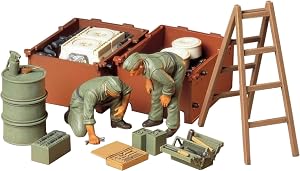 Techniques
Build your first military diorama or vignette: the base, groundwork, matching figures to scale and period, telling a story, and using ruins and…
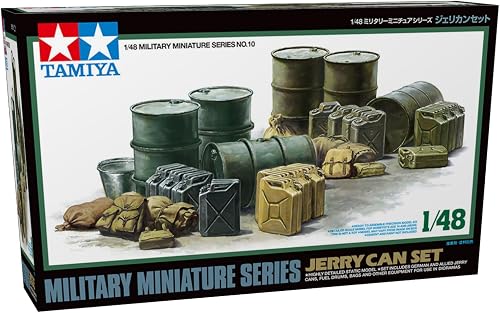
Read guideA tank fresh out of the box looks clean and empty. Real vehicles in the field were covered in stowage: jerry cans, tarps, crates, spare track links and the crew's personal gear. A small accessory set is the cheapest way to make a model look lived-in. Fuel drums, sandbags and ammunition boxes also turn a plain base into a scene.
Display matters too: a sturdy base, a clear cover to keep dust off, or a dedicated display rack for die-cast models.
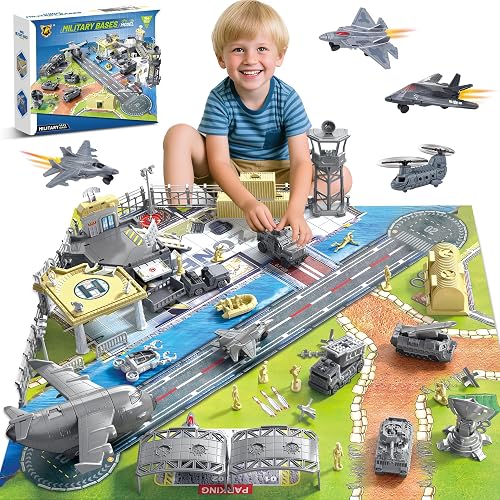
A vignette is a very small scene, usually one vehicle or a few figures. A diorama is larger and can include buildings, several vehicles and terrain.
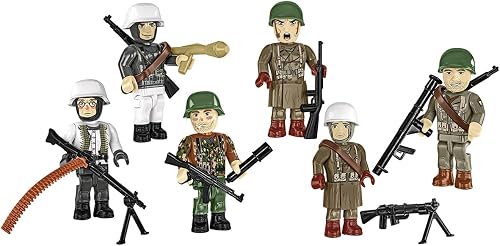
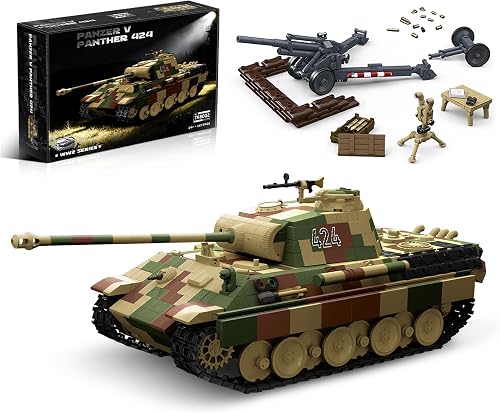
Plastic sets do, and they are a good place to practice painting and weathering. Brick-built sets come in their final colors.
The same as your vehicles and figures, almost always 1/35 for armor.